世界杯下注

Quangong Machinery Co., Ltd.
News

Hollow Block Manufacturing Process: How Are Concrete Hollow Blocks Made?

2026-09-02 0 Leave me a message

Hollow blocks are widely used as building materials for residential buildings, commercial projects, industrial facilities, and infrastructure construction. For companies planning to invest in a hollow block production line, understanding the complete hollow block manufacturing process is an important step in selecting the right equipment and planning production capacity.

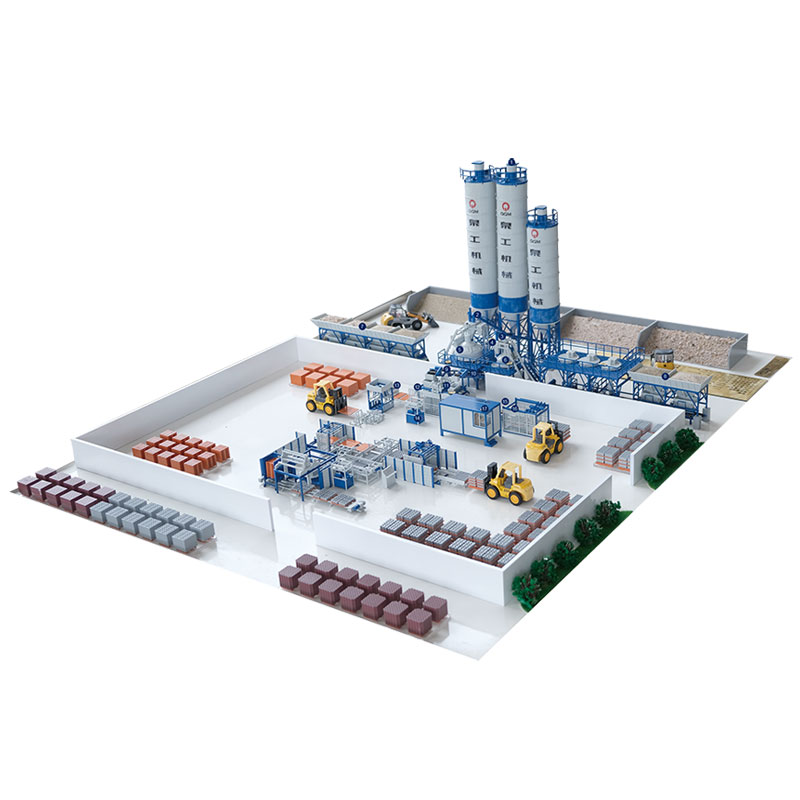
So, how are hollow blocks made? A typical hollow block manufacturing process includes several key stages: raw materials, batching, mixing, material feeding, vibration and pressing, curing, and finished products.

1. Raw Material Preparation

The production of concrete hollow blocks typically uses cement, sand, stone powder, and aggregates as the main raw materials.

Depending on local material availability and product requirements, suitable industrial solid waste materials such as fly ash, mineral powder, steel slag, and construction waste can also be incorporated into the mix.

The particle size distribution, moisture content, and properties of raw materials can directly affect the strength, density, dimensional accuracy, and surface quality of concrete blocks. Therefore, proper raw material selection and preparation are essential for stable block production.


2. Accurate Batching

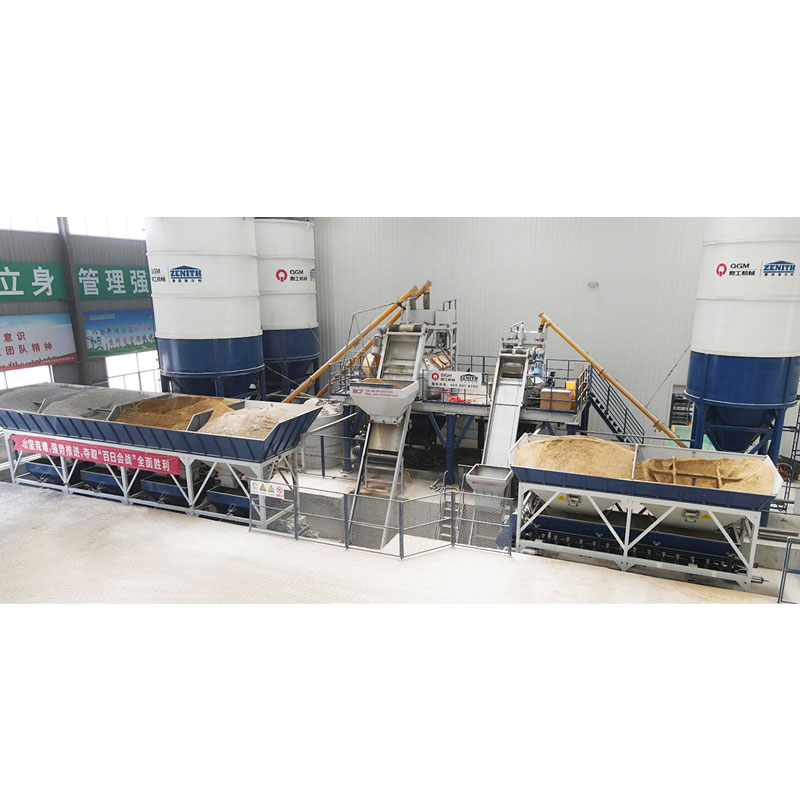
After preparation, the raw materials enter the concrete batching system.

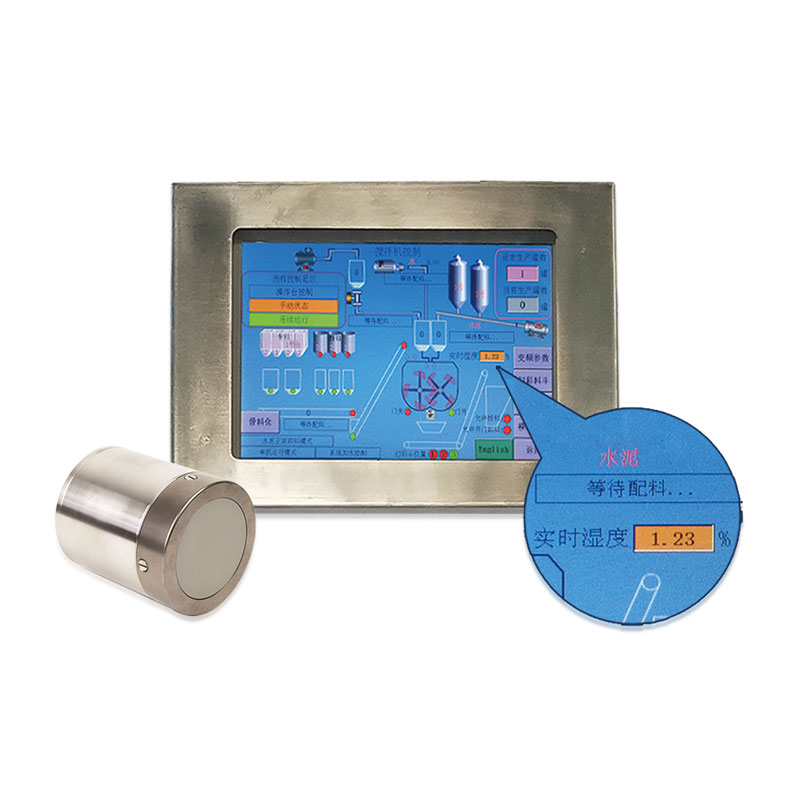
The batching system accurately measures cement, sand, aggregates, and other materials according to a preset mix design and delivers them to the concrete mixer.

Consistent batching is one of the key factors in maintaining stable product quality. In large-scale hollow block manufacturing, an automatic batching system can improve production efficiency while reducing errors caused by manual operation.


3. Concrete Mixing

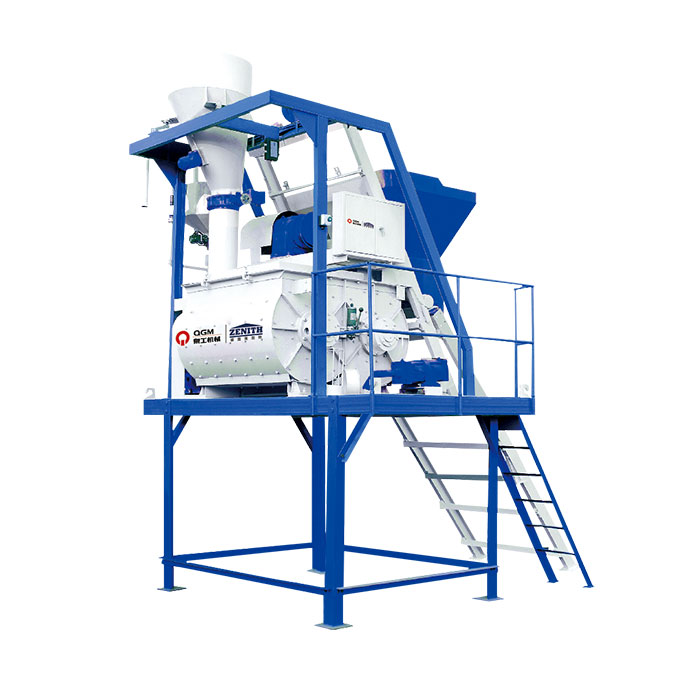
After batching, the materials are transferred to a concrete mixer for thorough mixing.

The purpose of mixing is to distribute cement, aggregates, water, and other materials evenly throughout the mixture, creating suitable concrete for block forming.

Proper mixing time and mixing performance help ensure material uniformity and provide stable conditions for the following feeding and forming processes.

4. Material Feeding

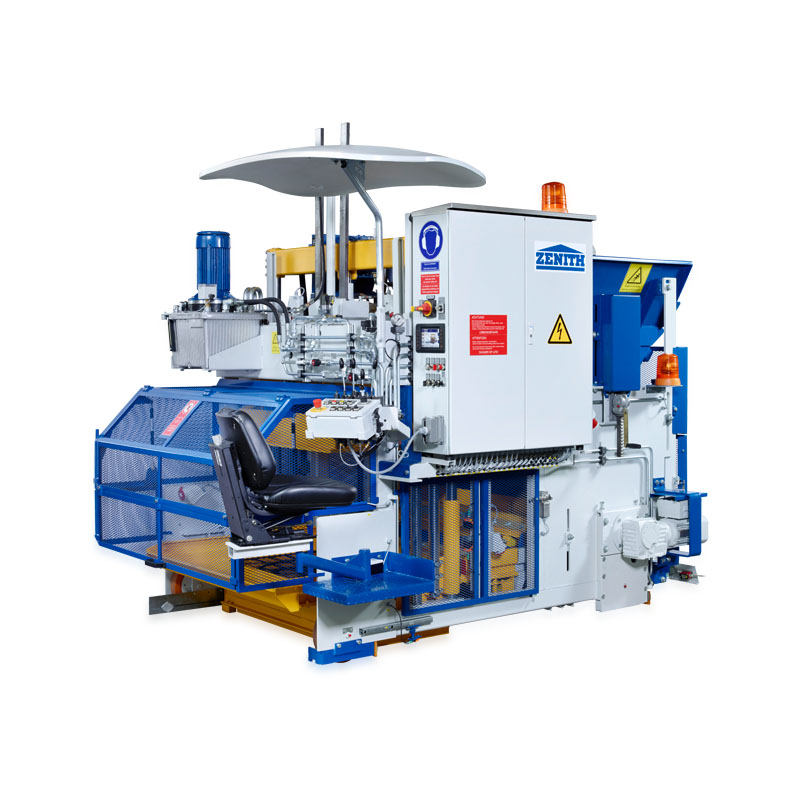
The mixed concrete is then transferred to the feeding system of the concrete block making machine.

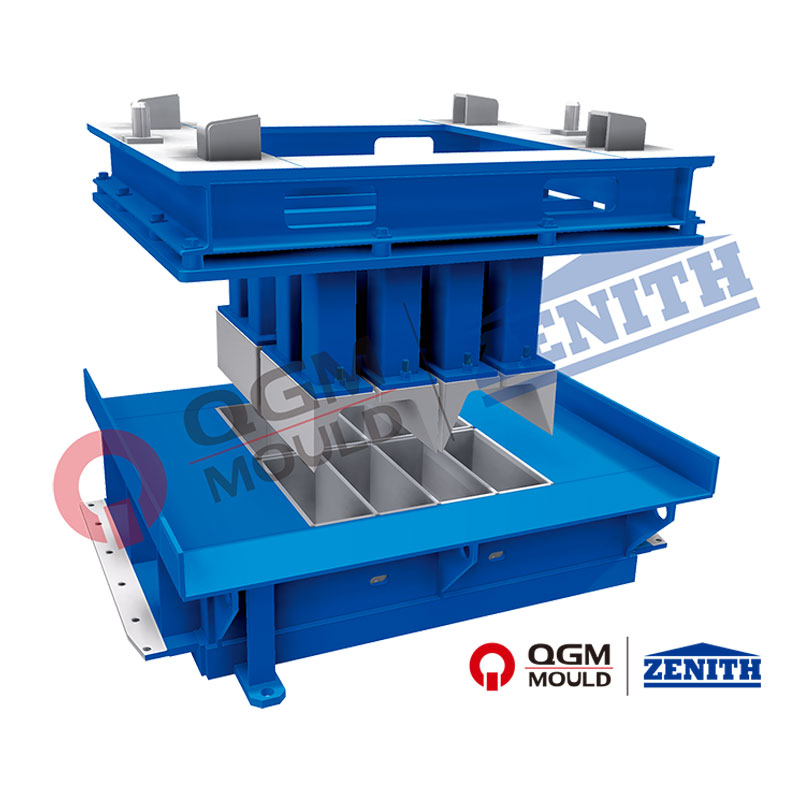
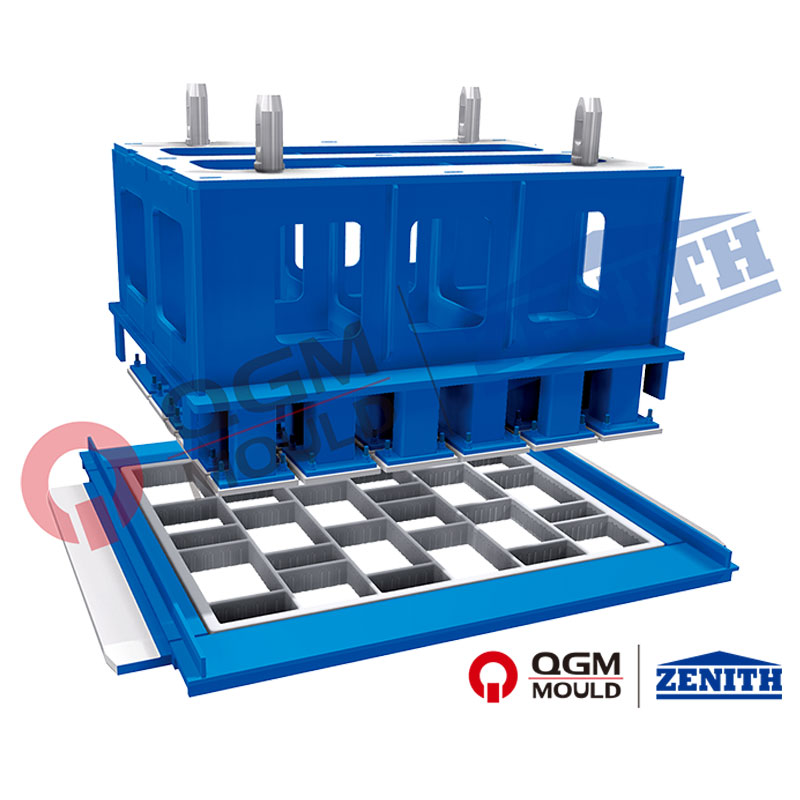
The feeding system distributes the concrete evenly into the mold cavities. For hollow blocks, the mold determines not only the length, width, and height of the product, but also the hole shape, number of holes, and overall block structure.

Therefore, the concrete block mold is an important component of the manufacturing process. Different molds can be configured according to local construction standards, market requirements, and product specifications.

5. Vibration and Pressing

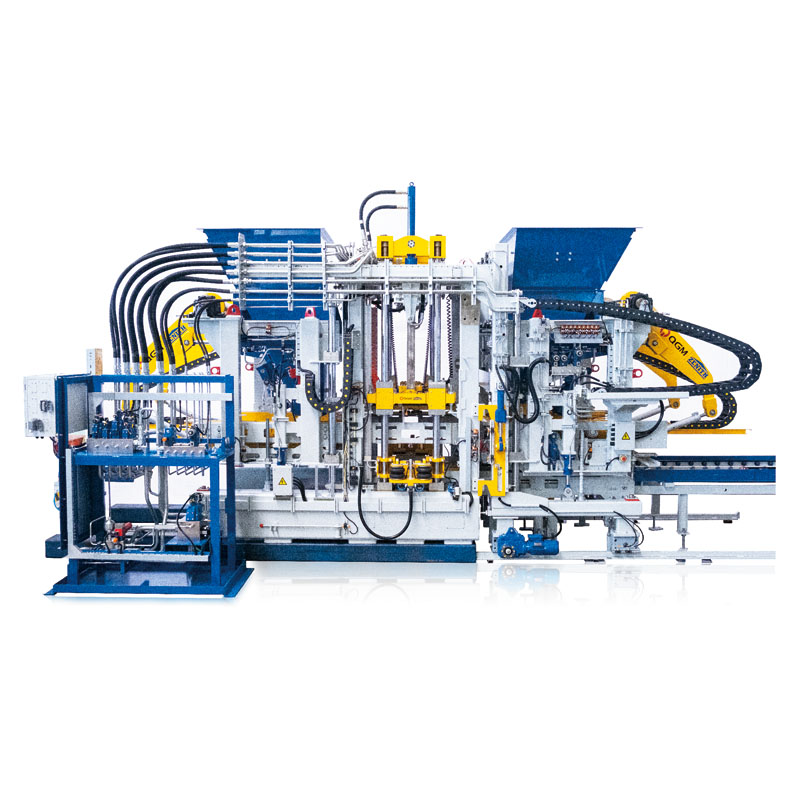
After feeding, the concrete enters the core vibration and pressing process.

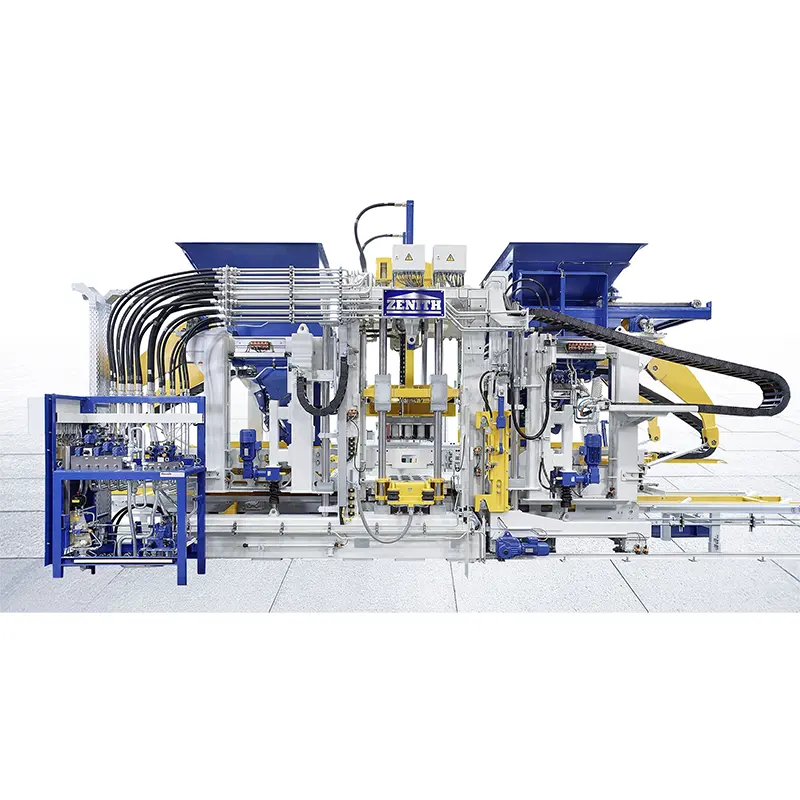
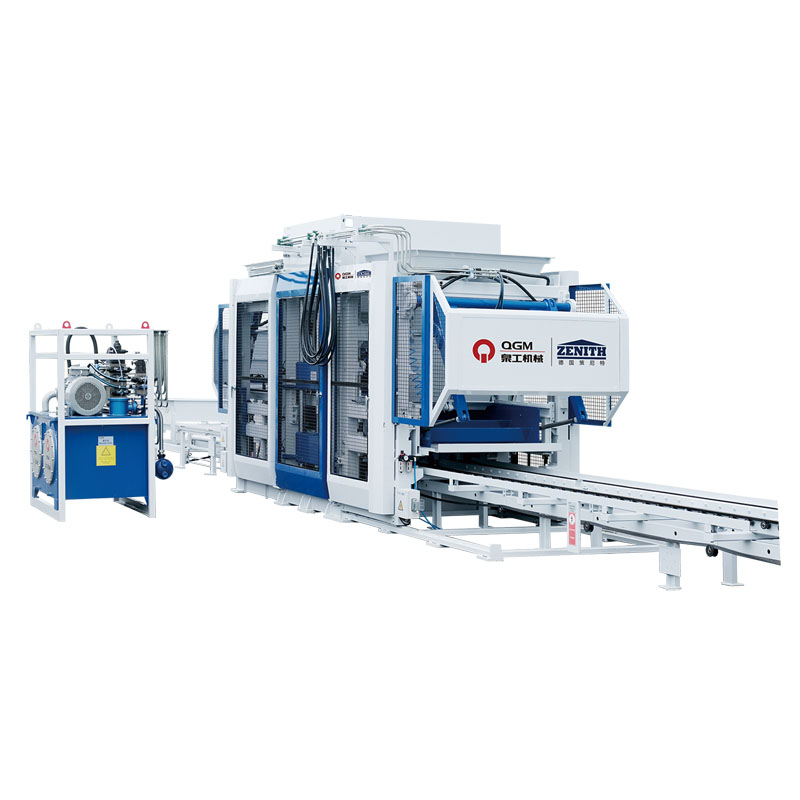
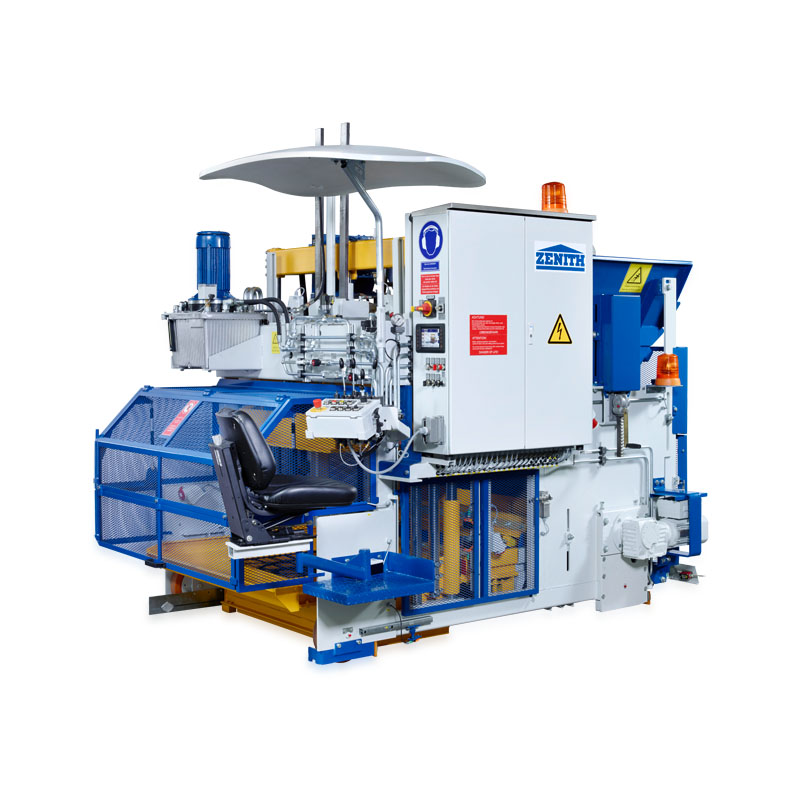
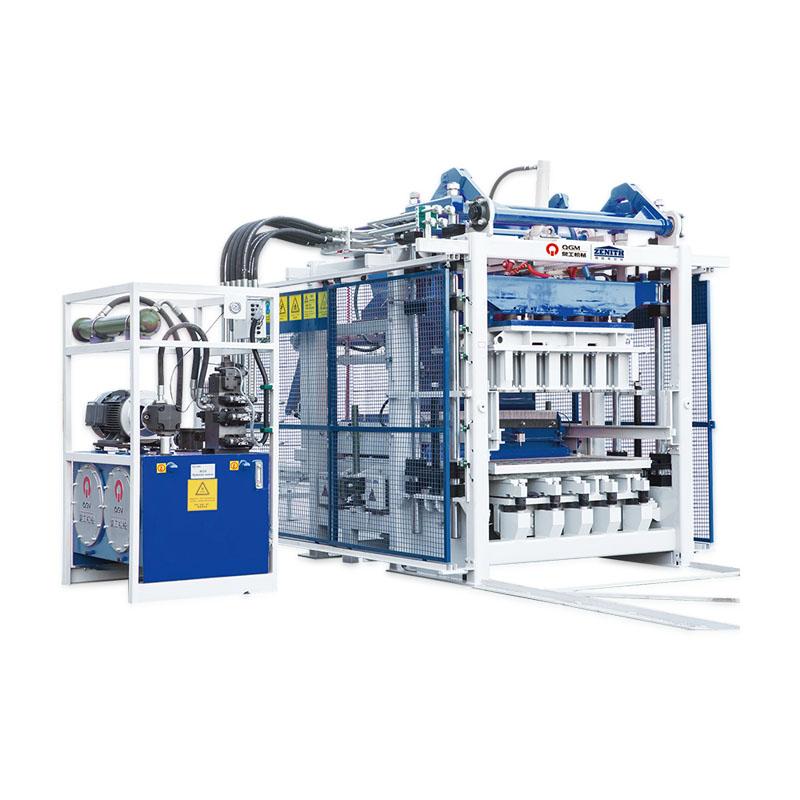
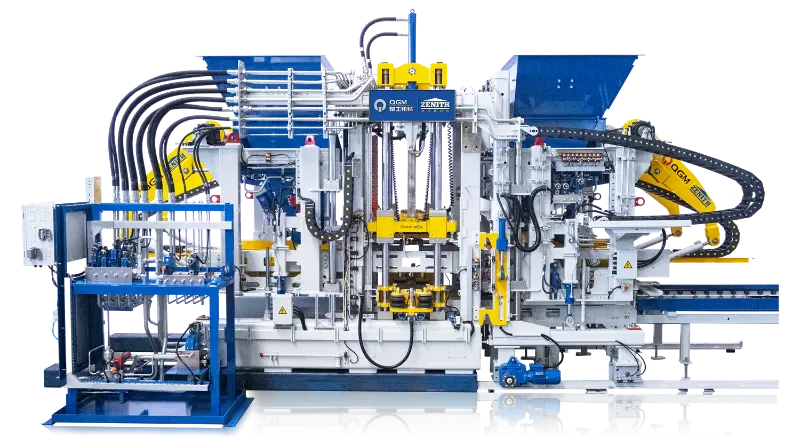
The block making machine combines vibration and pressing to compact the concrete mixture inside the mold and form a stable hollow block structure.

The vibration system, forming pressure, forming time, and mold precision can all affect block density, dimensional accuracy, compressive strength, and surface quality.

For a concrete block making machine, stable vibration and pressing technology is therefore essential for producing high-quality hollow blocks on a large scale.


6. Curing

After forming, the fresh blocks are transferred to a concrete block curing system.

Proper curing allows the cementitious materials to develop sufficient strength and stability through hydration.

Depending on the production process and product requirements, manufacturers may use natural curing, steam curing, or other suitable curing methods.

7. Finished Hollow Blocks

After sufficient curing, the hollow blocks reach the required strength and can be handled, stacked, stored, and transported.

Finished hollow blocks can be used for residential walls, commercial buildings, industrial facilities, and various other construction projects.


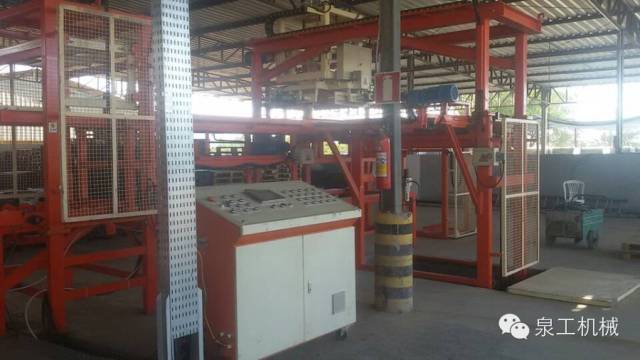
From raw materials to finished products, the hollow block manufacturing process involves several interconnected stages. Modern automatic concrete block production lines can integrate batching, mixing, material feeding, vibration and pressing, demolding, and material handling into one production system, reducing manual labor while improving productivity and product consistency.

For companies planning a modern hollow block production line, important factors include automation level, forming technology, mold flexibility, production capacity, and overall equipment reliability.

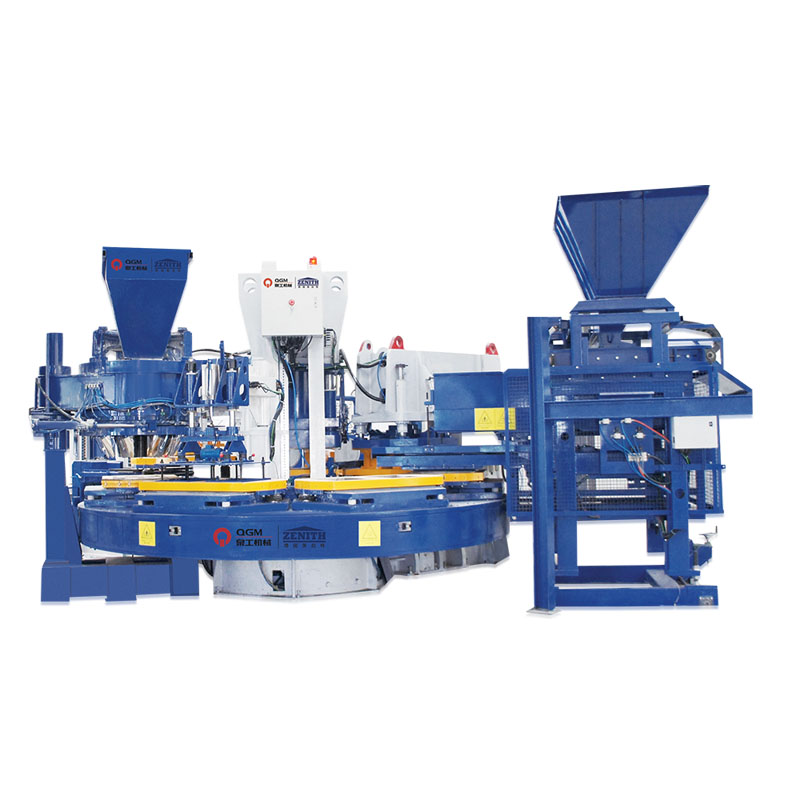
QGM provides automated concrete block making equipment and complete production solutions, with production lines and mold configurations tailored to customers' product specifications, required capacity, and local raw material conditions. The solutions can be used to manufacture hollow blocks, solid blocks, paving blocks, curbstones, and other concrete products.

If you are planning a hollow block manufacturing project, it is recommended to first determine the required product sizes, local market requirements, and daily production capacity, and then select the appropriate concrete block making machine and production line accordingly.

Related News
Leave me a message
X
We use cookies to offer you a better browsing experience, analyze site traffic and personalize content. By using this site, you agree to our use of cookies.Privacy Policy
RejectAccept
皇冠体育网址